
Fixture Selection
Selecting outdoor lighting for the Canadian climate
IP ratings, material durability, and what to expect from fixtures exposed to temperature swings between −30°C and +35°C.
Landscape Lighting • Canada
From pathway markers on icy walkways to full-yard accent lighting in Ontario summers — a reference for homeowners figuring out what actually works in this climate.

Most outdoor lighting sold at big-box retailers is rated for general weather, not for the specific abuse of a Canadian winter — repeated freeze-thaw cycling, salt spray near driveways, and months of ice loading on exposed junction boxes. This guide covers what ratings to look for and which fixture materials hold up over multiple seasons.
Read the full breakdownLatest articles
Each piece focuses on a specific aspect of outdoor lighting in Canada — materials, installation, energy use, and seasonal considerations.
Fixture Selection
IP ratings, material durability, and what to expect from fixtures exposed to temperature swings between −30°C and +35°C.
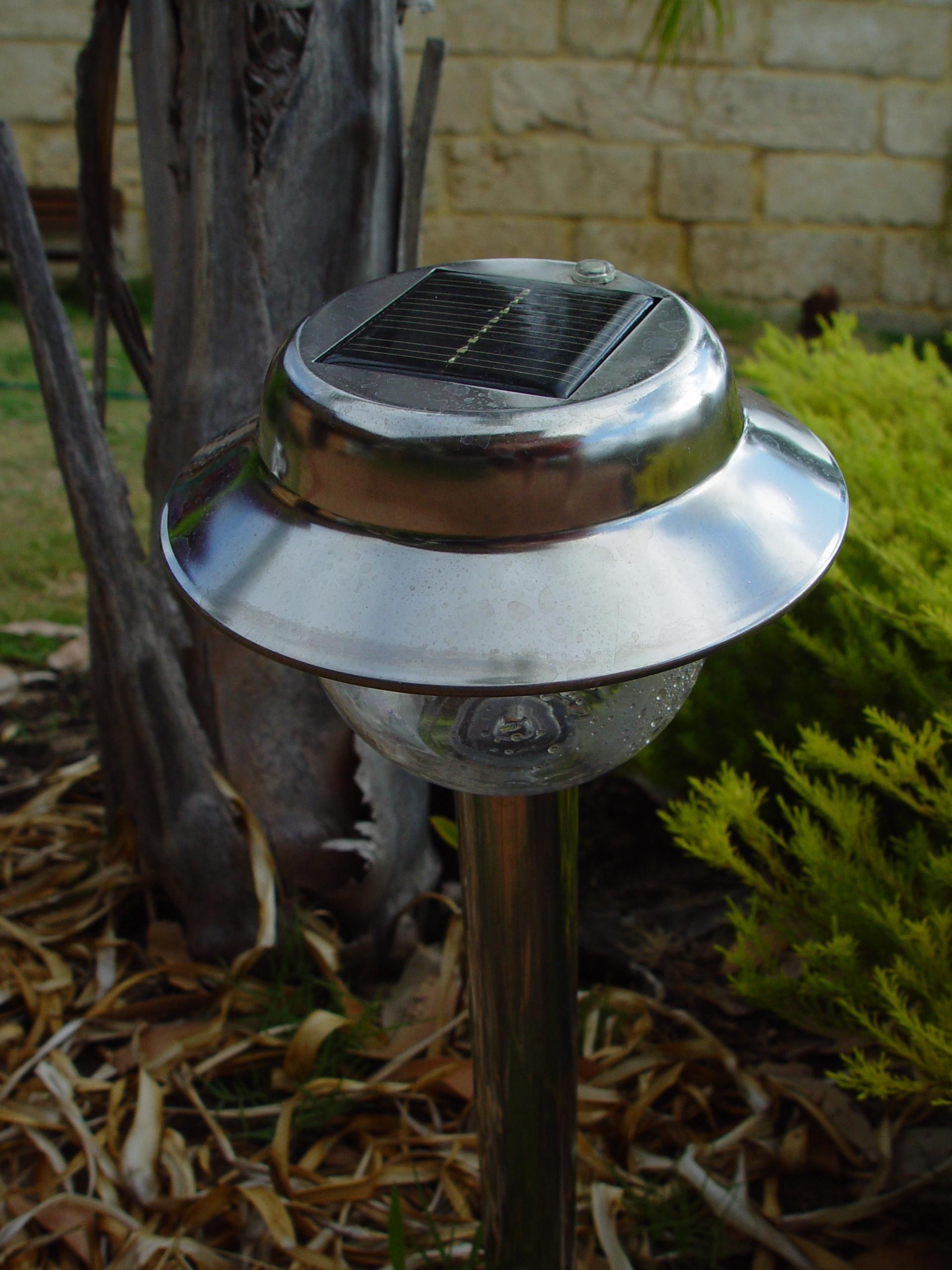
Energy & Technology
How solar panels perform through short winter days and what wired low-voltage systems cost to run across different Canadian provinces.

Installation
Step-by-step notes on laying cable, spacing fixtures along a pathway, and connecting a transformer in a Canadian residential setting.
In warmer regions, outdoor lighting decisions centre on aesthetics. In Canada, the first question is whether a fixture will still be working after its second winter. This archive documents what the specs mean, which installation details are often skipped, and what long-term costs look like when you factor in Canadian electricity rates and seasonal maintenance.
See the installation notesKey considerations
The topics below reflect the most common questions from Canadian homeowners approaching an outdoor lighting project for the first time.
Understanding IP65 vs IP67 and what each means when a fixture sits under a heavy snow load or beside a driveway that gets salted.
LED drivers can fail at extreme low temperatures. A look at rated operating ranges and what third-party testing says about real-world performance at −25°C.
12V landscape systems are DIY-friendly and safe to bury without conduit in most provinces. 120V systems need a licensed electrician and conduit — what Canadian electrical code says.
Toronto averages about 8 hours of daylight in December; Edmonton less than 7.5. How solar-powered fixtures handle the shortfall and what battery capacity is realistic.
Water infiltrating a fixture junction and freezing cracks housings and corrodes contacts. Which materials — cast aluminium, brass, marine-grade stainless — are most resistant.
Frost depth in Canadian provinces ranges from 0.6m in coastal BC to over 2m in parts of the Prairies. What this means for direct-burial landscape cable.
Lantern & Lawn is a Toronto-based reference on outdoor lighting in Canada. The content here is written with a practical focus — what products and methods hold up in this specific climate, not what looks best in a manufacturer's catalogue photo. All pieces are reviewed and updated periodically as product lines change and as Canadian electrical code evolves.
Contact
If you have a specific question about a lighting project in Canada, or if you've spotted an error in one of the articles, use this form to get in touch.
Lantern & Lawn
3040 Yonge Street, Suite 200
Toronto, ON M4N 3N1
+1 (416) 800-4512
info@lanternandlawn.org
The most common mistake in Canadian outdoor lighting projects is choosing fixtures rated for weather rather than for this climate specifically. The guide breaks down what to look for before purchasing.
Read the guideThe information on this site is provided for general reference purposes only. Always consult a licensed electrician before undertaking any outdoor wiring project.